
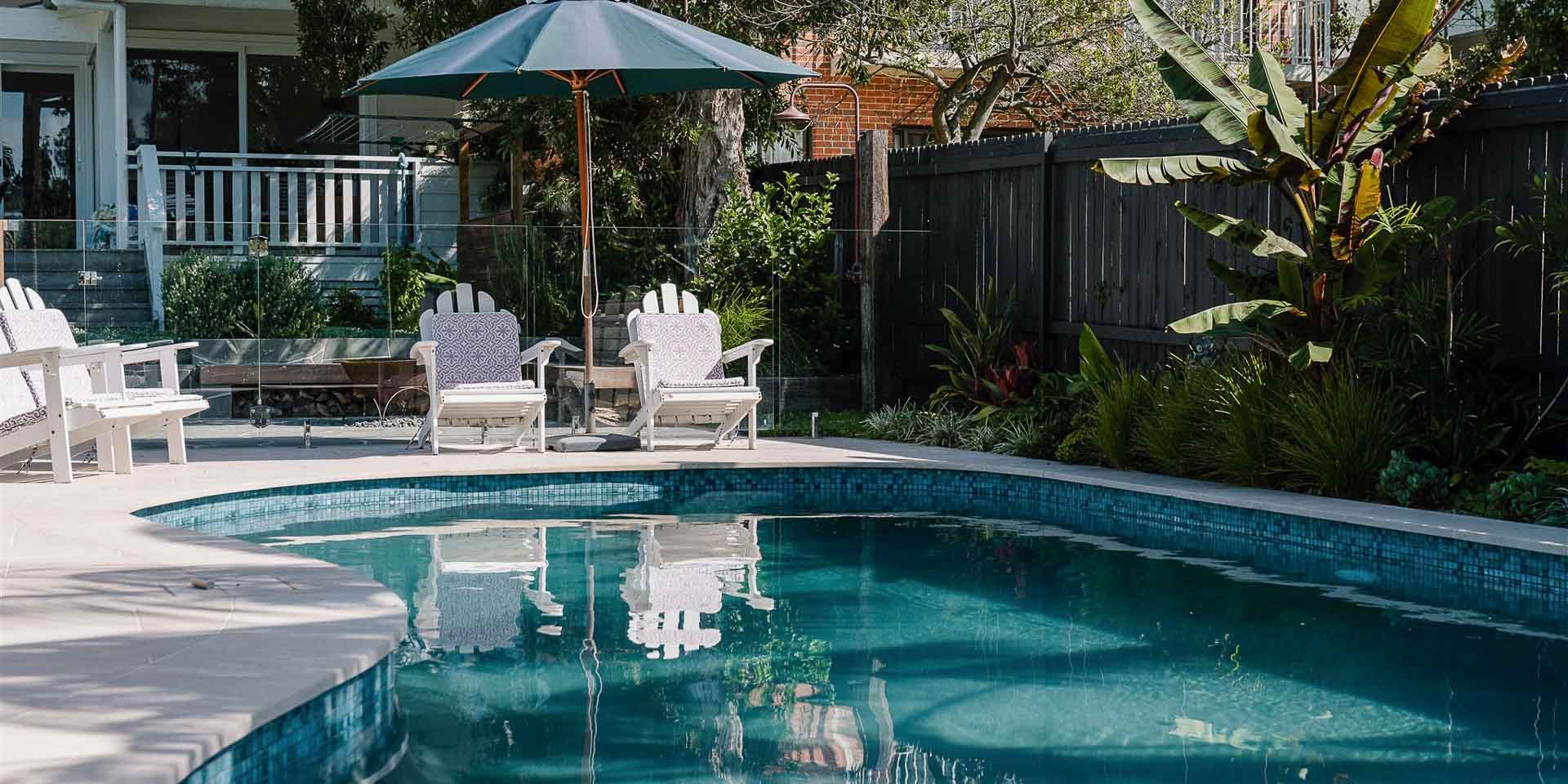
It’s a question we hear often. You’re planning a renovation. You also want a pool. Of course, the idea of getting the pool done first and enjoying it sooner comes to mind.
It sounds logical. However, in reality, when you put in your pool can make a significant difference in the overall success of the entire project.
Why this question comes up
The pool is the fun part of the project to many homeowners. It is tempting to rush it, particularly when summer is near or the renovation will be a long process.
The short answer:
It is possible to construct a pool prior to a renovation. The better question is whether you should. In the majority of situations, the most effective results are achieved when both are designed simultaneously.
When it is possible to build the pool first
When the location is simple, the access is good and the renovation is minimal, it can be possible to install the pool first. This is particularly so when levels and layout are predetermined.
The risks of building the pool first
Renovations often evolve. Levels shift and layouts change. When the pool already exists, there is no flexibility.
It is also the practical aspect of pool protection during construction. When the pool is installed prior to the renovation, then it will have to be covered accordingly until the build is completed. This will aid in avoiding debris, dust and materials getting into the water and internal finishes being damaged.
Even with protection in place, there is still risk. The construction work around a completed pool should be managed carefully.
Why we design the pool with the renovation
At Space, the pool is considered as a part of the architecture. We align levels, materials and sightlines so everything feels cohesive.
A practical example
In our inner-city plunge pool renovation project, space was a factor and coordination was paramount. View the project here: Click here
Timing, access and sequencing
A significant role is played by construction sequencing. Access, excavation, and trade coordination all need to be planned.
In the case that the pool is completed first, we also consider how it will be secured during the construction, such as temporary covers and proper management of the site.
So what should you do?
Our honest opinion is, if your renovation is substantial, design the pool alongside it. If minor, building the pool first can work with proper planning.
Bringing it all together
A good pool must be an extension of the house. When both projects are treated as a single design problem, the result tends to come out better.
"Pool timing and renovation FAQs"
Should I build my pool before or after renovating my house?
In most cases, design the pool and the renovation together rather than sequencing one after the other. Building the pool first only works when its location is straightforward, site access stays good throughout, and the renovation involves minimal structural change. Get any of that wrong and the renovation's level or layout changes can end up conflicting with a pool that's already in the ground.
Is it ever okay to build the pool first?
Yes, but only under specific conditions. The pool needs to sit clear of the renovation footprint, the renovation trades' access can't cross the pool area, and the house works can't change finished floor levels near the pool. If any of those isn't true, building the pool first risks costly rework once the renovation design is locked in.
What are the risks of building a pool before renovating?
The main risk is losing design flexibility the moment the concrete, coping and pool shell go in. Renovations often change floor levels, extend footprints or shift where the entertaining area sits, and a fixed pool location can then force compromises on sightlines, paving alignment and how well the indoor and outdoor spaces actually connect.
How do you protect a finished pool during a renovation?
A completed pool has to keep a compliant safety barrier in place at all times under the NSW Swimming Pools Act 1992 and AS 1926.1, even while renovation work continues right next to it. Beyond that legal requirement, the pool also needs solid protective covering, boarding or heavy-duty sheeting, to stop dust, debris and construction traffic from damaging the shell, coping and tiling underneath.
How much does it cost to design a pool and renovation together versus separately?
Designing both together is almost always cheaper than sequencing them, and the saving comes from avoided rework, not a discount. Building the pool after a finished renovation commonly means relocating fencing to stay compliant with AS 1926.1, re-tiling where levels no longer meet, and re-routing drainage. Machine access is the other factor: once the landscaping is finished, getting an excavator back in costs more.
How long does it take to sequence a pool build with a renovation?
Timelines depend on council approval pathways, excavation conditions and how the pool and renovation trades are scheduled against each other, so it's really assessed project by project. Coordinating both from the design stage generally shortens the overall program compared with coming back to landscape a finished renovation later.
Do I need a landscape designer involved before I start renovating?
Bringing a landscape designer in early lets the pool be treated as part of the building's architecture rather than an afterthought, aligning levels, materials and sightlines between house and garden. In Sydney, where blocks are often tight and the pool sits close to the home, that early coordination matters more than it would on a larger regional site.