Space Landscape Designs has always preferred using concrete in gardens. Concrete offers strength and texture and balance to outdoor spaces when designers use it well despite its basic appearance.
Our company has extensive experience with concrete which we utilize across various projects including garden walls and steps as well as driveways and seating. People underestimate concrete because it demonstrates remarkable durability and flexibility. Concrete works perfectly alongside plants and stone and timber elements to establish visual contrast and interest in garden settings.
Concreting possibilities
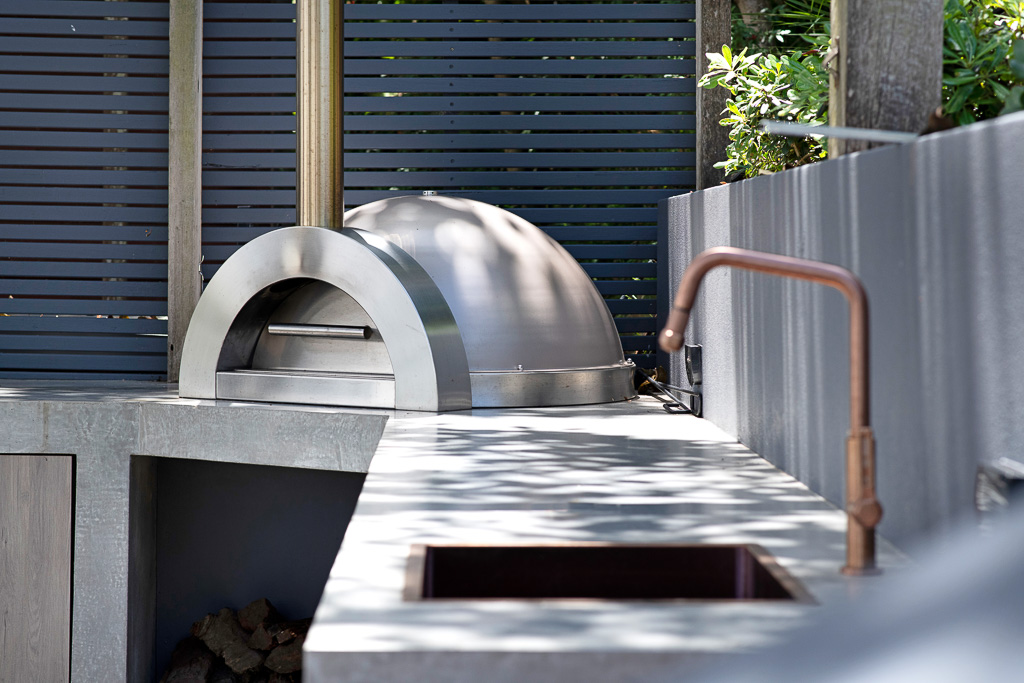
Concrete stands out to us because it enables various textured and finished outcomes through its application. Natural concrete appearance emerges when you keep it unprocessed thus creating an authentic rustic appearance. Concrete can be smoothed down to achieve a contemporary appearance or left as is to show its natural texture.
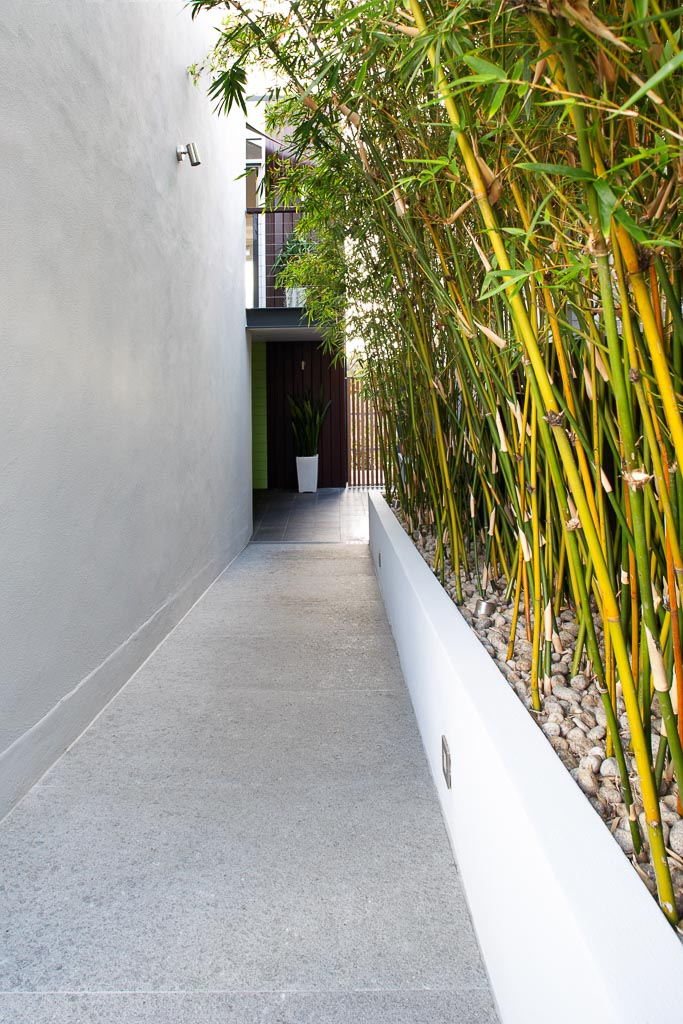
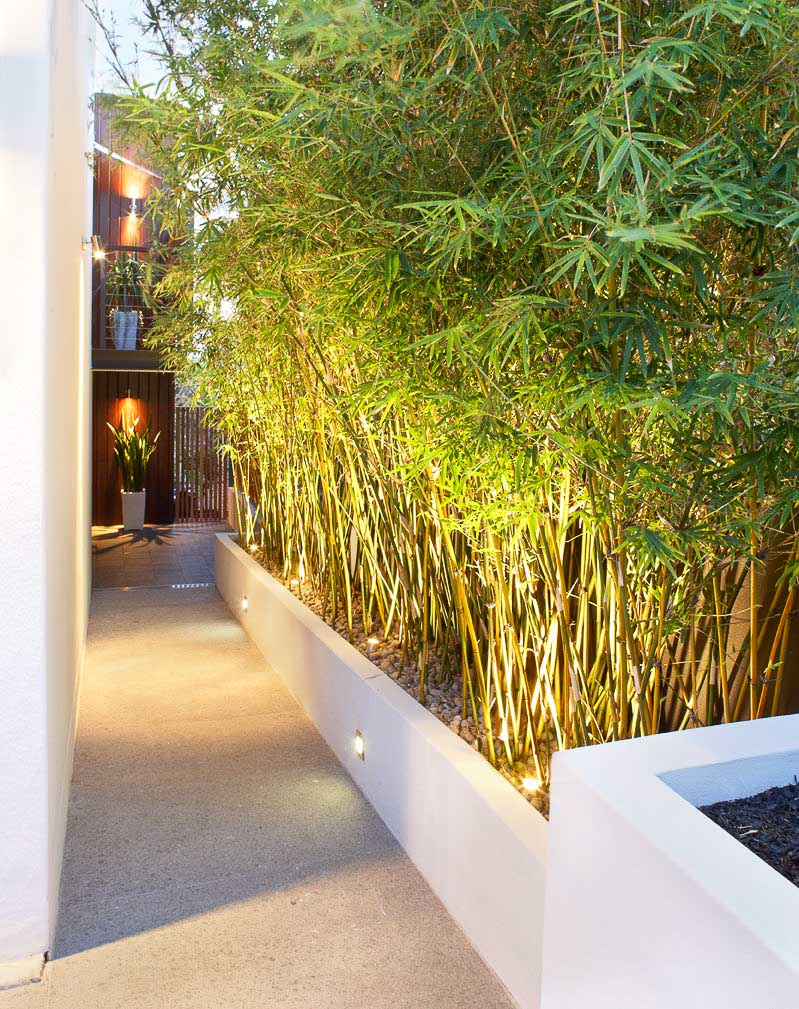
Exposed aggregate concrete makes its appearance in driveway and pathway surfaces when the concrete surface gets stripped to show off its internal stone components. The combination of stones with color-matched finishes creates both sparkle and texture which unifies all elements in the garden space.
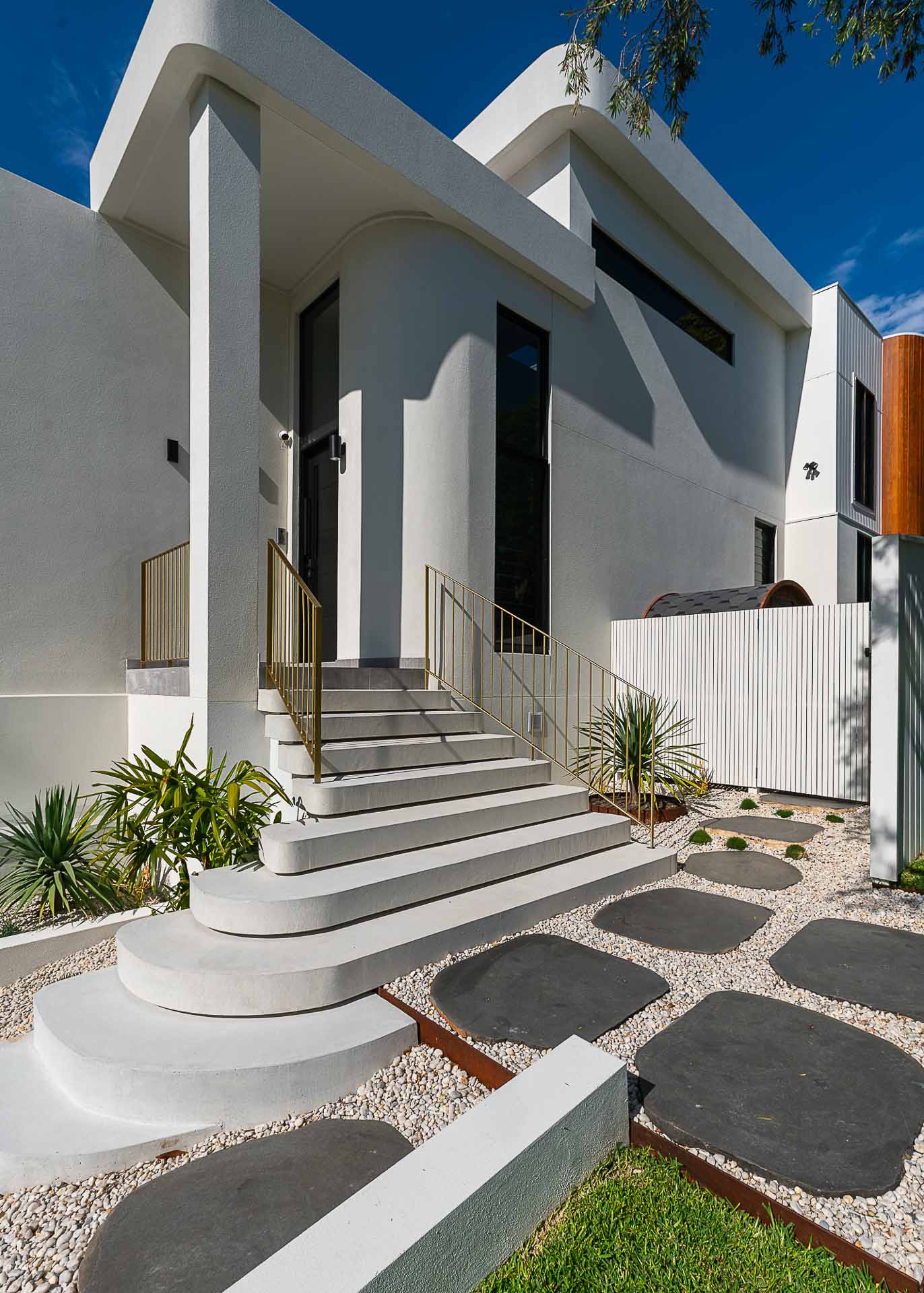
Concrete is incredibly simple, yet presents diverse visual and tactile experiences through our various finishing techniques. For example, the addition of exposed concrete aggregate creates a soft textural element that enhances any space.
According to Jason who owns Space Landscape Designs he explains the following:
“Concrete is simple but strong. This particular material allows designers to establish timeless, clean geometric shapes for gardens. The correct finishing technique applied to concrete — smooth, textured or exposed treatments — can add warmth and personality to any space”
A great example from a recent project
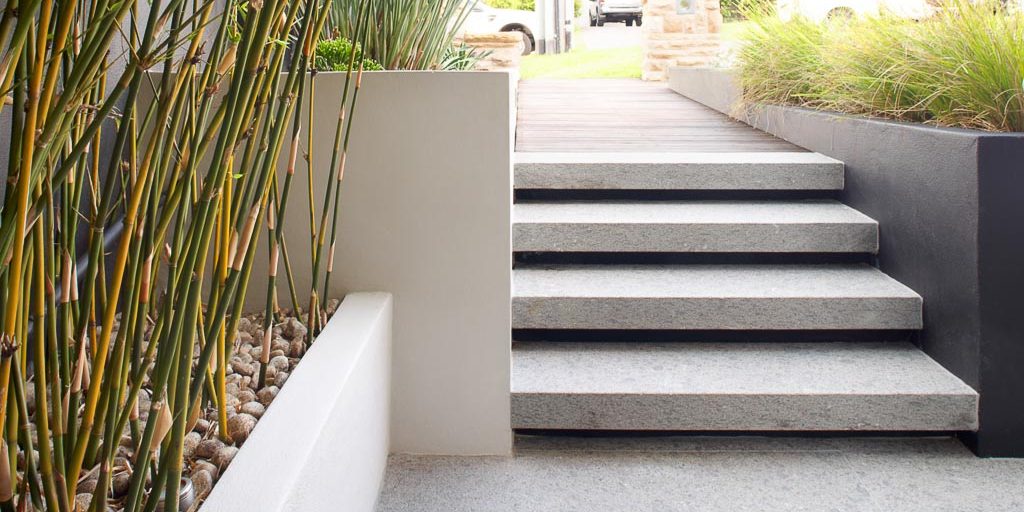
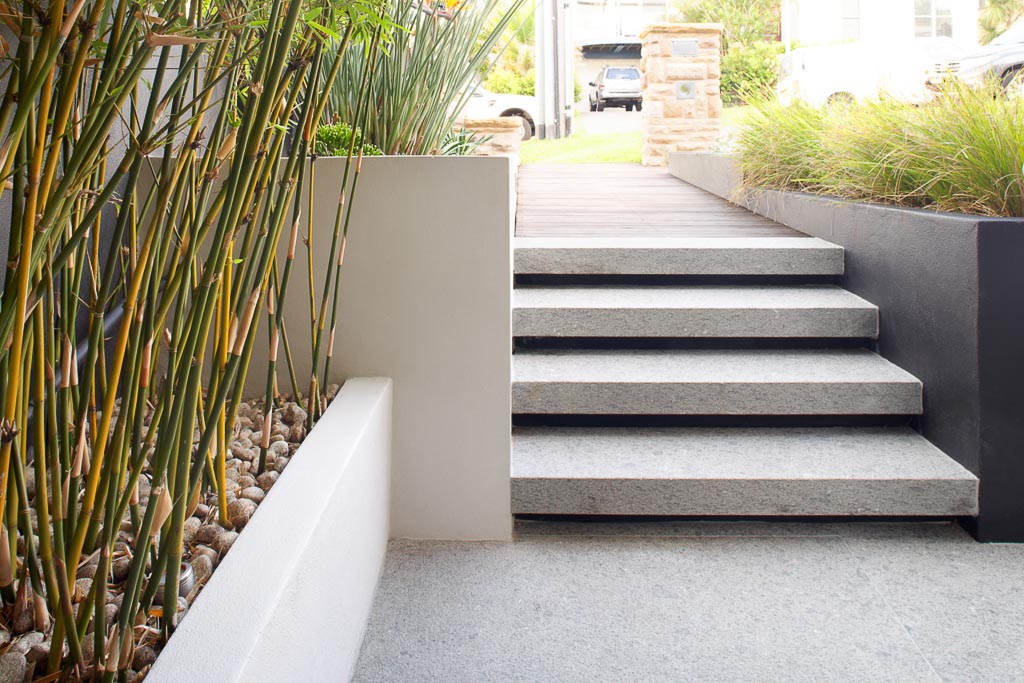
The Modern Beach Side Retreat project implemented cantilevered concrete steps which function as a pathway to the home entrance. The entrance appears both welcoming and sculptural due to the floating steps which seemingly “float” in thin air – a popular affect in garden design. The concrete texture creates depth while its elegant form stands out as an unobtrusive detail which elevates the entire design.
The design demonstrates that concrete structures can provide both durability and sophisticated appearance.
Where we use concrete in outdoor spaces
These are the main applications where we utilize concrete in our projects:
Floating steps serve as excellent entrance solutions for sloped blocks and front doors because they create an unforgettable impact.
Garden and retaining walls receive their finishing touch from raw or rendered materials to achieve a clean and grounded appearance.
Concrete paths and landings can be created through pouring concrete or installing steppers to establish pathways in the garden.
Exposed aggregate driveways provide both functionality and visual appeal since they use stone colors that match the surrounding landscape.
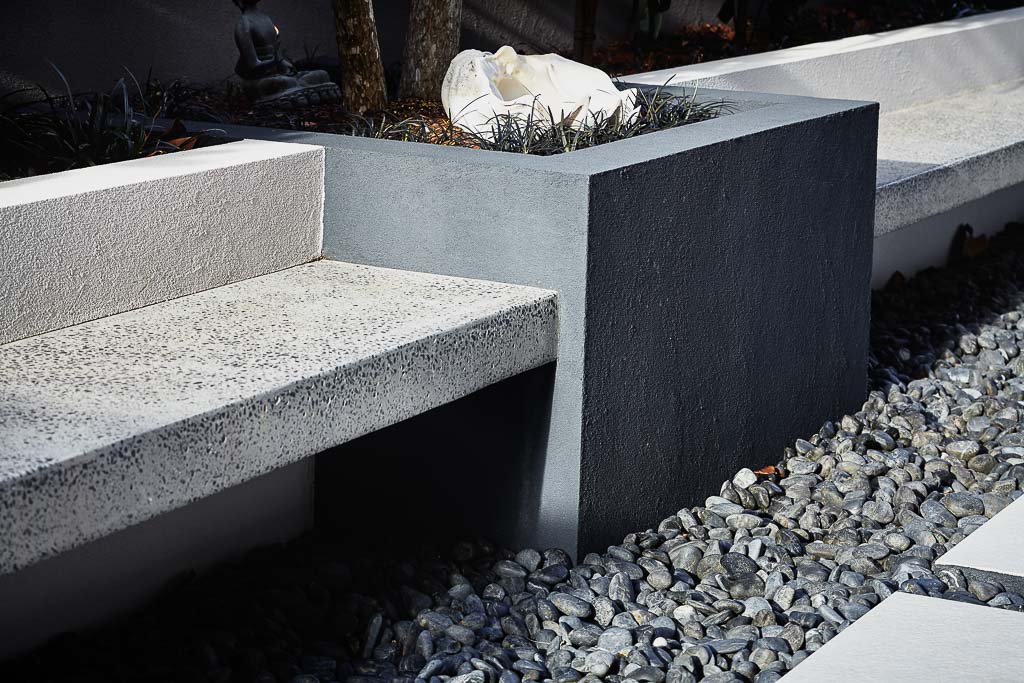
The built-in features of seating and surrounds function perfectly for fire pit areas and garden corners.
A timeless material
Concrete stands as a highly enduring material which we utilize in our projects. Concrete endures all weather conditions while enduring time and minimal maintenance requirements. The material builds natural aging characteristics throughout time which adds more character to its appearance.
Concrete stands strong throughout the ages. Concrete becomes an integral part of the landscape when properly placed because it creates structure while adding style to the environment.
We’d love to discuss your plans for your garden design. Contact our friendly team of expert garden designers to discuss your project today.
Concrete in garden design FAQs
What are the different concrete finishes used in garden design?
The main finishes are natural or as-poured, smooth trowelled, textured, and exposed aggregate, which reveals the stone within the concrete for a more organic, tactile surface. Colour-matched aggregate finishes are also used to tie concrete elements back to surrounding paving or stonework. I choose between them based on whether the client wants sleek and modern or something more natural and textured underfoot.
Concrete vs pavers — which is better for Sydney garden paths and driveways?
Concrete gives you a seamless, jointless surface that's strong and low-maintenance, and it suits clean, geometric garden design well. Pavers offer more flexibility for repairs, pattern and colour variation, but the extra joints give weeds and moss somewhere to establish in Sydney's humid climate. Exposed aggregate concrete is a popular middle ground — it adds texture and grip similar to paving, in a single poured surface.
What is a floating or cantilevered concrete step, and why use one?
It's a step that appears to hover, anchored into a wall or structure rather than resting on visible support below, which creates a sleek, minimal look. It's a detailing technique used for timeless, clean geometric lines, the kind you see on entrance steps in contemporary Sydney projects, and it requires precise structural engineering to pull off properly — get that wrong and the whole effect falls apart.
Is concrete a good material for retaining walls in Sydney gardens?
Yes, concrete is a strong, durable choice for retaining walls, particularly on Sydney's sandstone-derived and sloping sites where structural strength genuinely matters. It can be finished raw, rendered, or with an exposed aggregate texture to suit the garden's overall material palette rather than sitting apart from it. We favour it for walls, garden edging and structural elements alike, mainly for that combination of strength and design flexibility.
How much does concrete landscaping cost in Sydney?
Costs vary by finish and application. Exposed aggregate or coloured concrete paving typically costs more per square metre than standard poured concrete, and structural elements like retaining walls or cantilevered steps add engineering and formwork costs on top of that. As a rough guide, expect $100-$250+ per square metre for garden concrete work in Sydney, depending on finish and how easy the site is to access.
Is it worth using a landscape designer to plan concrete elements in a garden?
Yes. Concrete's strength is in creating clean, timeless geometric shapes, but getting the proportions, finishes and integration with planting and other materials right is where professional design input actually pays off. A designer can also coordinate structural requirements, like engineering for retaining walls or cantilevered steps, with the rest of the garden design, rather than treating concrete as a separate trade problem.