
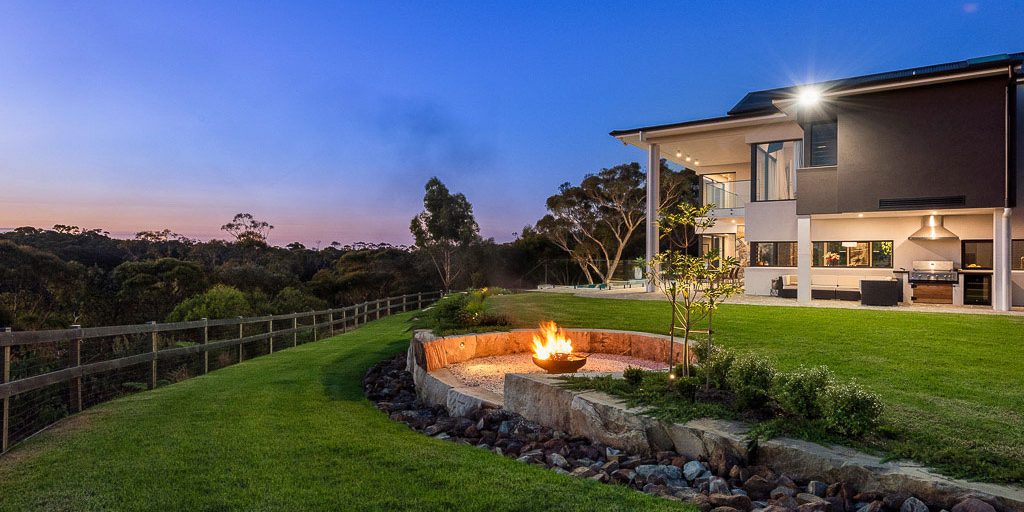
Dreaming of transforming your backyard into a welcoming retreat with the warmth and ambiance of a fire pit? Whether you’re envisioning relaxed evenings by the flames or looking to enhance your outdoor entertaining, a well-designed fire pit instantly elevates any outdoor space. In this guide, you’ll discover creative and affordable DIY fire pit ideas to suit a range of styles and budgets. We’ll cover tips on choosing materials, optimising placement, and designing for both safety and style, ensuring your fire pit becomes a natural gathering point for family and friends.
Key Highlights
- Creative fire pit designs can transform even compact balconies into inviting outdoor retreats.
- Balancing fire pit features with built-in planters and seating maximizes comfort and functionality.
- Affordable in-ground fire pits blend seamlessly into urban gardens using natural, durable materials.
- Layered lighting and thoughtful pit placement enhance ambiance and outdoor comfort in small spaces.
- Following a practical checklist ensures safe, cohesive, and enduring fire pit installations for any balcony or garden.
Transforming Balcony Spaces: Creative Fire Pit Ideas for Small Outdoor Areas
Many people assume backyard fire pit design is reserved for sprawling lawns, but with the right landscape design, even a compact balcony can become a captivating outdoor retreat. Thoughtfully chosen fire pits bring warmth, character, and an inviting focal point to confined spaces. By balancing modern pit designs, features like planters, and built-in seating, every square metre serves a purpose, from casual gatherings to intimate backyard fires. The key lies in an efficient layout, creative construction steps, and versatile fire pit area solutions. Let’s look at how to merge design flair with practical features for balcony comfort and style.
Balancing Functionality and Style: Integrating Fire Pit Features with Planters and Seating
Blending functionality and style is essential when you’re creating a fire pit area on a balcony. Smart landscape design can harness every inch, making fire pits feel like a natural extension of your outdoor area rather than a cumbersome addition. I focus on combining fire pit features with built-in planters and streamlined seating, ensuring both comfort and visual harmony. Modern materials, like pavers for a solid base or integrated steps for versatility, clarify zones for gathering and movement. Planters soften edges and introduce greenery, while thoughtfully constructed seating ensures the space feels inviting at every gathering. Building a unified design elevates the balcony from ordinary to a genuinely compelling backyard fire destination, no matter how limited the area.
Exploring Affordable In-Ground Fire Pit Designs for Urban Gardens
Urban gardens deserve creative fire pit solutions that don’t sacrifice usable area, style, or affordability. In-ground fire pits seamlessly blend into the landscape, offering warmth without dominating a compact outdoor space. By utilising natural materials like stone and clever layouts, it’s possible to create fire pits that are inviting yet unobtrusive, especially critical for balconies or city gardens. The aim is a design that complements existing plantings, paver patios, and overall garden flow, making every detail, from pit construction to surrounding materials, feel intentional and welcoming for everyday living.
Choosing Materials and Layouts That Complement Balcony Garden Design
When working with in-ground fire pits in urban balcony settings, choosing the right materials sets the tone. Natural stone and durable pavers are perfect for creating a modern yet warm fire pit area, mirroring plant textures and resisting wear. The fire pit layout should integrate organically into the garden or balcony, avoiding rigid boundaries. Consider a paver patio extension, or edge the pit area with subtle stone for a crisp, cohesive finish. Compact fire pit designs mean you can still curate distinct garden zones, like seating nearby, without crowding the space. Focusing on affordable, easily sourced materials ensures even the humblest outdoor area becomes a standout retreat.
Maximizing Ambiance: Lighting, Privacy, and the Role of Fire Pits in Outdoor Comfort
Ambiance is everything when you’re curating your outdoor area, especially if your goal is both relaxation and style. The interplay of subtle lighting, carefully selected fire pits, and a focus on privacy can transform even a modest space into a natural retreat. Every detail, from strategic fire pit placement to the choice of materials, influences both comfort and usability. By layering these elements, you’re able to create an outdoor feature that invites extended evenings, warmth, and a truly relaxed atmosphere, elevating even smaller spaces with thoughtful design and smart use of backyard fire inspirations.
Subtle Lighting and Thoughtful Fire Pit Placement for a Relaxed Atmosphere
Lighting should enhance ambiance without overwhelming the senses. I always opt for subtle lighting: consider string lights woven above or low-profile LED fixtures lining steps and paths leading to the fire pit area. This soft glow draws people outdoors while letting the heat and light of the fire pit remain the focus. Placement is equally crucial. Positioning your fire pit slightly offset from the main outdoor feature zone avoids congestion, creates flow, and grounds the backyard fire as an inviting focal point. Pairing these elements with natural materials and textures, like stone bases or paver patio surfaces, ensures the space feels both purposeful and relaxed. Whether you want a modern retreat or a cozy backyard hub, layered lighting, careful fire pit placement, and complementary features all work together for welcoming, design-led comfort.
DIY Fire Pit Solutions: Easy Projects to Elevate Your Balcony Garden
Transforming a balcony with creative fire pit solutions doesn’t require an expansive area or specialist tools, just purposeful design and a few modern touches. By approaching fire pit projects with a compact mindset, you can build features that deliver both heat and striking style without overwhelming your space. From selecting materials such as concrete, stone, or pavers, to integrating the fire pit with your planters and seating, each step enhances your outdoor area. Here, I’ll outline step-by-step pit ideas to help you install an affordable, functional fire pit that turns your balcony garden into a gathering destination.
Step-by-Step Pit Ideas for Compact Spaces
When you want to build a fire pit on your balcony, start by pinpointing a practical area, making sure there’s ample clearance for heat and gathering. Use lightweight pavers or stack natural stone for a sturdy yet portable pit that fits the scale of your outdoor space. Opt for concrete bowls or fire pit kits designed for small areas: they offer simple installation and a modern, minimal look. Always measure the intended pit area first, choosing a design that leaves enough room for movement and functional features. Even in a compact garden, well-chosen fire pits can anchor the entire design, blending seamlessly with balcony planting and contemporary materials. Every project, large or small, benefits from thoughtful layout and balanced use of natural textures for a timeless, cohesive result.
Checklist for the Perfect Fire Pit: Design Tips and Maintenance Essentials
Before you rush into building your fire pit, it pays to follow a tested checklist to ensure a seamless addition to your outdoor area. First, determine the best pit area, keeping safety and usability front of mind, always choose a location that allows for proper clearance and airflow. Opt for fire pits made from natural stone or modern materials, integrating them with the broader landscape for a cohesive look. Prioritise construction that’s both robust and neat, balancing durability with aesthetics. Don’t overlook key features like built-in seating or space for movement, as these elevate both function and ambiance. When choosing materials, stick to options that handle weather and heat, like stone or quality pavers. Regular maintenance, clearing debris from the pit area, inspecting for wear, and cleaning your fire pit and its features, will extend its life and keep it the centrepiece of your landscape. Keep these design tips and maintenance essentials in mind, and you’ll create a fire pit that’s not only visually striking but also an enduring asset to your outdoor area. For more custom advice, I’m always here to help you turn checklist insights into practical results.
Transforming your backyard with a thoughtfully designed fire pit doesn’t require a huge budget or specialist skills, just a bit of inspiration and planning. Whether you opt for a rustic stone circle or a sleek modern bowl, your fire pit becomes the heart of your outdoor living space, inviting friends and family to gather. For more expert backyard ideas or to discuss how we can help create your perfect outdoor retreat, get in touch with Space Landscape Designs. Let’s make your next project both achievable and uniquely yours.
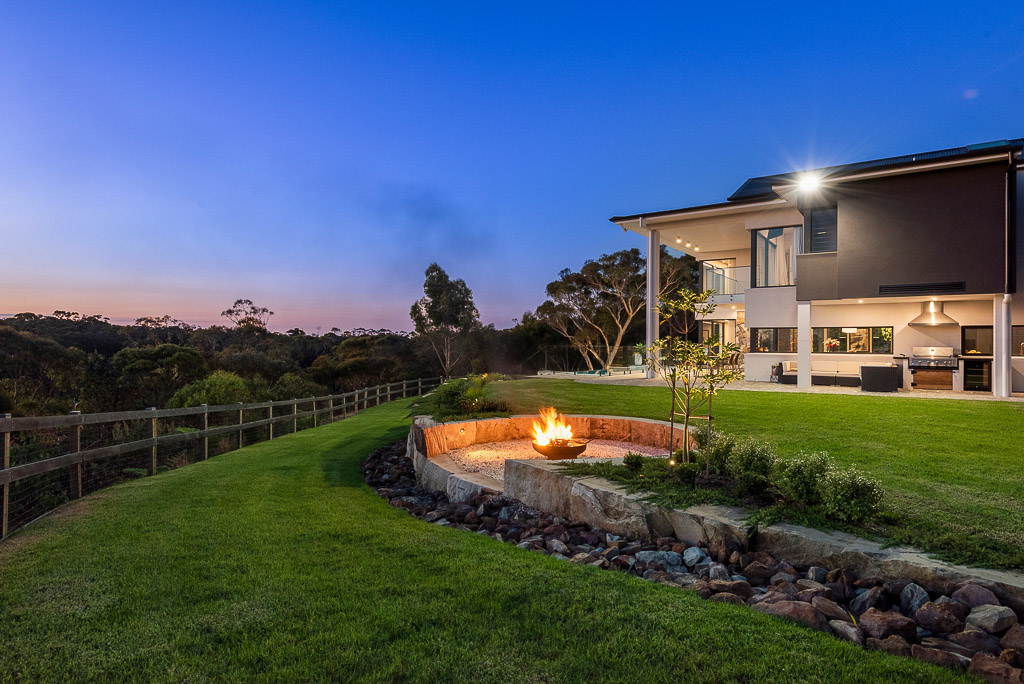
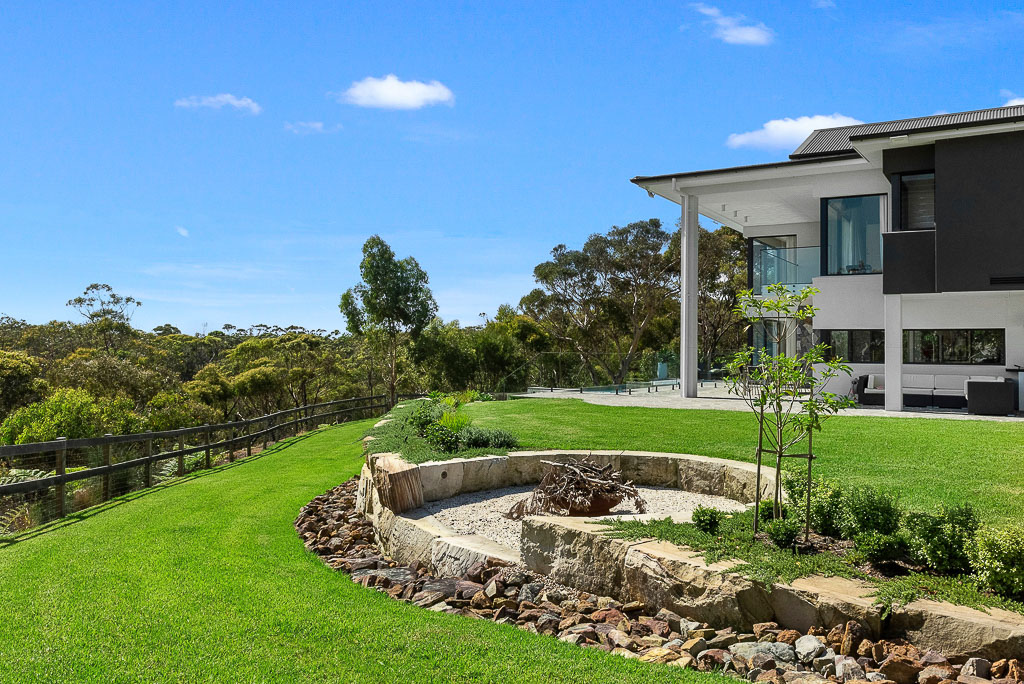
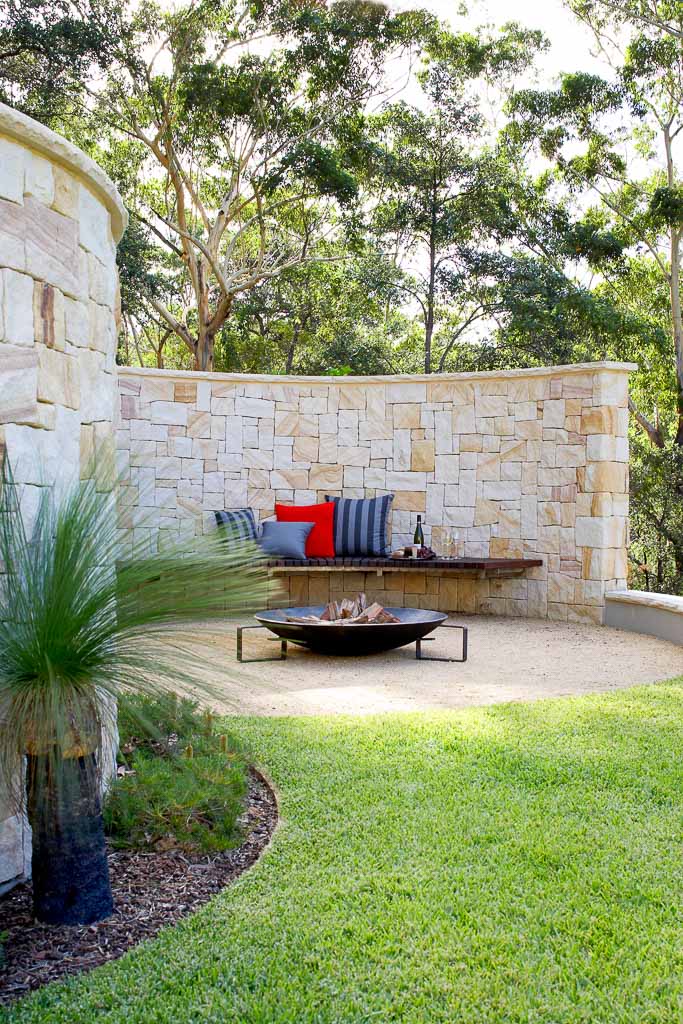
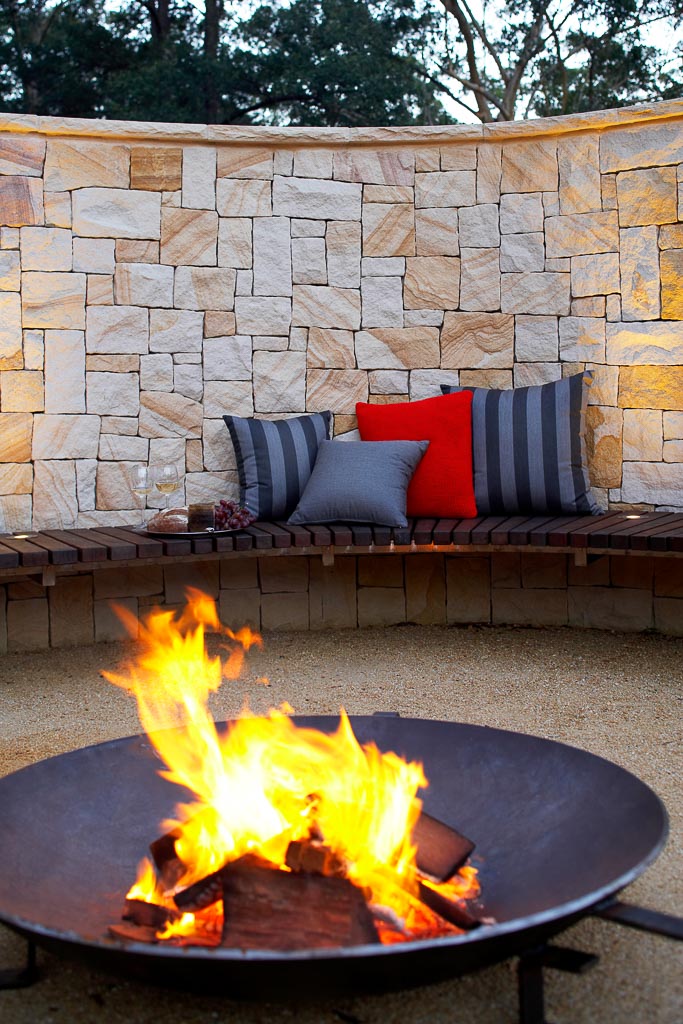
Space Landscape Designs will provide personalized fire pit recommendations together with expert advice. Professional members of our team will construct your ideal fire pit according to your preferences and space requirements.
Backyard fire pit FAQs
Do I need council approval for a fire pit in my Sydney backyard?
Most small, portable or built-in fire pits fall under exempt or complying development, provided they meet setback and clearance rules. Permanent in-ground or masonry fire pits close to boundaries or structures are a different matter — they can trigger a Complying Development Certificate (CDC) or a full DA, depending on your council. Check clearance to fences, decking and overhanging trees before you build, and confirm the specifics with your local council.
Gas vs wood-burning fire pit — which suits a small Sydney backyard best?
I'd pick gas for most small backyards. It ignites instantly, needs no wood storage, and typically stays permitted during total fire bans, which solid-fuel pits don't. Wood-burning pits give you a more authentic ambience and crackle, but they need more clearance, more ash clean-up, and get restricted or banned outright on NSW Rural Fire Service total fire ban days — a real limitation on a small block.
What's the minimum clearance for a fire pit from fences and structures?
As a general rule, keep fire pits at least 1-1.5 metres from fences, timber decking, planters and overhanging vegetation, to prevent scorching and allow safe airflow — though exact distances depend on pit size, fuel type and local council requirements . Even a built-in pit worked into seating or planters still needs that buffer maintained around the flame zone, not just around the visible fire bowl.
Can I use a fire pit during a total fire ban in NSW?
No. Solid-fuel fire pits, wood or charcoal, can't be used on a NSW Rural Fire Service total fire ban day, even in your own backyard. Gas and electric fire features are generally still permitted on those days in most circumstances, but it's worth checking current NSW RFS rules and your council's conditions before lighting anything outdoors — restrictions shift with fire danger ratings and can change at short notice.
What materials work best for an in-ground backyard fire pit?
Natural stone, pavers and concrete are the most durable choices, with a concrete bowl insert often used to contain the heat and protect the surrounding material. Stone and concrete also cope with Sydney's summer heat and occasional storm exposure better than timber surrounds do, which is why we see them dominate both DIY builds and professionally designed fire pits — timber looks nice in photos and less nice after two summers.
How much does it cost to build a backyard fire pit in Sydney?
A simple DIY in-ground fire pit with pavers or stone can cost as little as a few hundred dollars in materials. A custom-built fire pit integrated with seating, planters and paving as part of a broader design typically runs from roughly $2,000 to $8,000+ . Cost depends heavily on materials, size, and whether gas plumbing needs to be run to the feature.
How do I maintain a fire pit to keep it safe long-term?
Clear ash and debris after every use, check for cracks or heat damage in the stone or concrete, and confirm airflow vents aren't blocked before you light it. For gas fire pits, add periodic checks of the gas line connections and burner clearances to that list. It takes a few minutes and it's the difference between a pit that lasts and paving that cracks around it.
Is it worth hiring a landscape designer for a fire pit feature?
For a simple standalone pit, DIY is often enough. Once the fire pit is being integrated with seating, planters, lighting and paving into one cohesive space, a designer earns their keep by getting placement, clearances and material choices right the first time rather than after a rebuild. This matters most on smaller balcony or courtyard gardens, where space and airflow constraints are tighter.