If you wish to have a beautiful outside place which would remind you of a foreign country then tropical garden design is the only option just for you. The cheerful plants, intricate textures, and well-coordinated location make any area filled with tropical plants look like a cozy exotic oasis even with the most primitive design. Here, we will look at some ideas that will assist you in designing a tropical garden for your home in terms of ideas that can ease the process and make the landscape thrive.
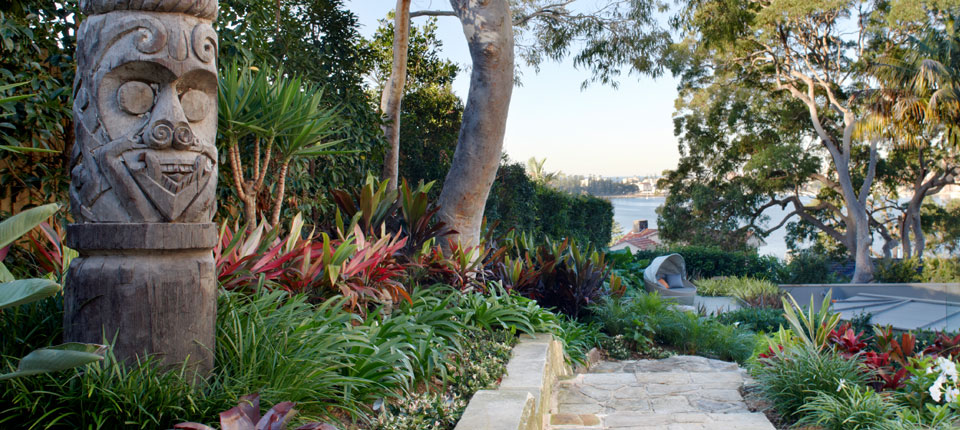
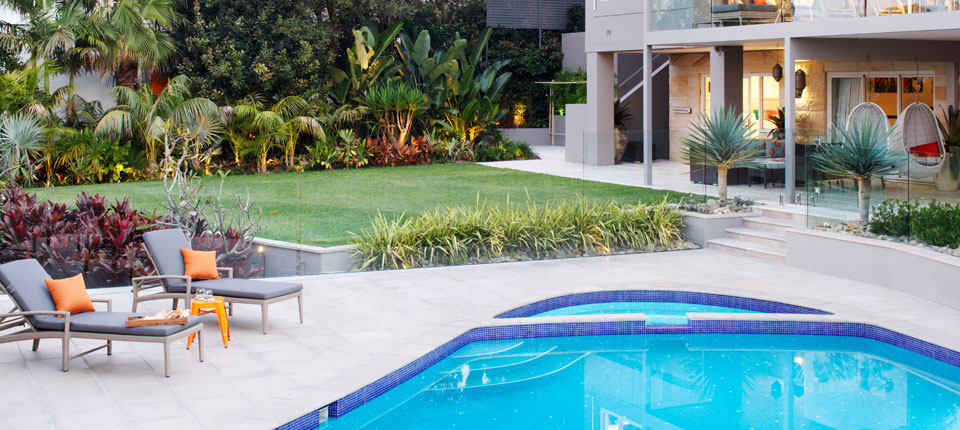
Tropical Garden Design
Tropical garden design is a concept that makes your garden similar to the rainforest region where concentration of greenery is high. Even if you’re working with a small urban garden or a sprawling backyard, this look is achievable with the right combination of plants and layout.
Tropical garden design is really all about lushness and layering at its heart. A variety of plants at lots of different heights, along with large bold leaves, exotic blooms and rich colours are common, as well as water sculptures and some type of natural shading to keep the temperature cooler than what late spring and summer would usually give.
Choosing Plants for a Tropical Garden
Planting is one of the most important factors that define a tropical garden. It is therefore important to select the right tropical garden plants for the purpose of generating the tropics look that is common in the region.
The first step is to centre on the choice of exotic plants. Tropical plants such as Bird of Paradise, Palms, and Hibiscus give you that intense blast of colours and forms in your garden. Also, ferns and banana plants should also be used in the design to increase the depth of the design.
It is also important to also include some shade-tolerant tropical plants. Because many plants in tropical gardens are shaded by heavy foliage, most of your plants are going to have to be low-light plants. Some of these plants include Calatheas, Hostas and Elephant Ears which when placed at the base of taller plants can form greenery layer in shadowed areas.
Hardscaping and Structure
Hardscaping comes into the vital role in tropical gardens design, as it offers a framework and order to the space. A concept is suggested to divide the planting areas of the garden using pathways, stone walls, a raised planting bed so that one could easily get into the different parts of the garden. To construct such types of gardens where rainfall is high such as in tropics, permeable paving solutions come in handy as they allow the rain water to be drained adequately and match the natural look of the garden.
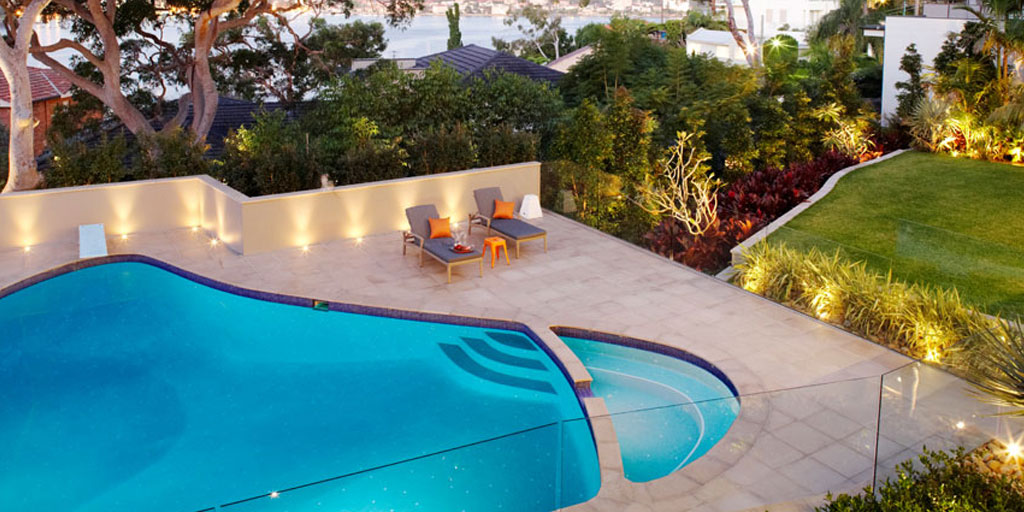
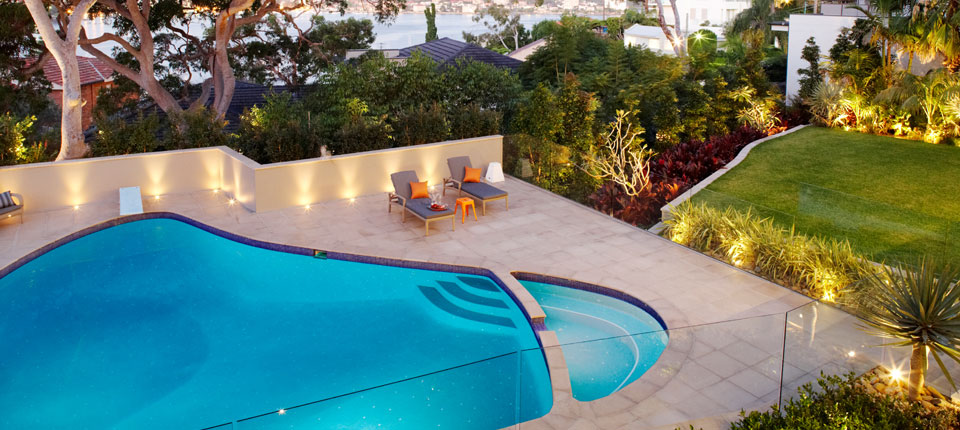
As for the ideas which are not very obvious, one of them would be the tropical garden lighting. When placed under trees or along pathways, soft, low lighting can be used to increase the amount of time that you spend in the garden in the evening. Secondly, it provides light for such things as plants and water features.
Creating Layers and Depth
This is what makes this type of gardens apart from the others, the complexity of the tropical garden and its use of the foliage and of the vegetation to create a thick, opulent greenery. Placing plants of different sizes and forms create both, depth, and interest in the space provided. In order to accomplish this, plant large trees and shrubs in the back and the small trees, shrubs and ground covers in the front.
This means that lush garden design also entails the use of all the available space in the area. Option like ground covers such as the creeping fig or the ornamental grasses can be useful in providing the much needed base at the foot of tall growing plants to give your garden a natural, spilling over look. Including the height with the climbers such as Passionflower or Bougainvillea will allow for the walls and fences to become a part of the genuine experience of the garden.
Water Features
This is an important component in any tropical environment and incorporating a tropical garden water feature into your environment can enhance the haptic experience in the space. The introduction of a small fish pond, a water fall or water fountain is one idea that will create a soothing atmosphere. Apart from the beauty, water features also act as a cool environment, and also a home to the local fauna.
A great way to increase humidity levels in the garden is to ensure your tropical garden design includes water features.
Designing for Privacy
Seclusion is always a major issue when selecting a home especially for people who are looking forward to having a peaceful home. Fortunately, tropical gardens provide the best ways of creating privacy within the landscape.
Bamboo and Palm may be good plants to form tall hedges to stop neighbour’s view coming into the garden. Not only do these plants carry out the job of removing certain sights, they also effectively function as a barrier of sorts that provides a cocoon like effect that makes the garden feel very private.
As Low-Maintenance as Possible
While tropical gardens are known for their lush, abundant appearance, they don’t have to be high-maintenance. Tropical plants are hardy and drought resistant when once established. Tropical plants like succulents, yucca, or drought tolerant palms are a good choice for you if you want to save the trouble of watering and maintaining all the times.
With some additional work, you can consider installing an irrigation system, so water isn’t wasted. Drip irrigation is a type of tropical garden irrigation system that delivers water right to the roots of your plants, preventing any wastage of water and keeping your garden well hydrated with an adequate amount of water use.
Climate Considerations
Sydney’s summer is warm and winters are mild which makes tropical garden design ideal for the climate, however, always cheque the specific requirements for your space. Strong winds or direct sun? You can look for drought tolerant plants or set aside shady areas however using pergolas, shade sails or taller trees.
For example, add portable plants in containers if you live in areas where winter might get cooler. It is also a way for you to protect sensitive plants from frost by moving indoors when temperatures drop.
Tropical Garden Decor
Tropical garden decor is key in the final touches for setting out the tone of the space. Hanging chairs, bamboo furniture, large outdoor cushions or pillows can make an inviting seating area, with accessories like lanterns or tropical themed statues, as well as textured pottery giving everything more personality and flair.
To add a finishing touch: If money is not a problem, you could have a tropical mural showcase particularly important areas in your garden or use decorative screens. It can spruce up your outdoor tropical space and bring out the whole aesthetic aspect and tie it all together.
Tropical Garden Design FAQs
Can I actually grow a tropical-look garden in Sydney's climate?
Yes. Sydney's warm, humid summers and mild winters suit a tropical-style garden well, even though the city is technically temperate rather than truly tropical. Species like Bird of Paradise, palms, hibiscus, bougainvillea and ornamental grasses thrive in local conditions, though frost-sensitive plants like calatheas and elephant ears need a sheltered, warmer microclimate to get through winter without damage.
What plants create a tropical garden look in a temperate climate like Sydney's?
Layer large-leafed statement plants with climbers and groundcovers to mimic a rainforest canopy effect. Bird of Paradise, palms, hibiscus, elephant ears and calatheas give you the bold tropical foliage, bougainvillea and passionflower add climbing colour, and creeping fig softens hard surfaces underneath. Bamboo and ornamental grasses fill out the mid-layer, adding movement and a bit of privacy as they thicken up.
Tropical garden design vs Mediterranean garden design — what's the difference?
Tropical design relies on lush, layered, broad-leafed planting like palms, elephant ears and hibiscus, with dense privacy screening and water features, while Mediterranean design favours drought-tolerant, silver-grey foliage, gravel and structured hedging suited to dry, sunny conditions. Tropical gardens generally need more water and richer soil; Mediterranean gardens suit Sydney's drier, more exposed sites and get by on far less irrigation.
How do I stop a tropical garden becoming a maintenance nightmare?
Choose naturally low-maintenance tropical species and set up drip irrigation instead of hand-watering; where you can, I'd lean on drought-tolerant palms, succulents and yucca to cut down on ongoing care. Permeable paving handles Sydney's heavy summer rainfall without pooling, and grouping plants by water need keeps irrigation efficient, rather than overwatering hardier species just because they're planted next to thirsty ones like calatheas and elephant ears.
What paving works best for a tropical garden in a high-rainfall climate?
Permeable paving is the standard solution, letting Sydney's intense summer storm rainfall drain through rather than pool or run off across hardscaped areas. That reduces erosion around garden beds and protects plant roots from waterlogging, while still giving you a stable, usable surface for pathways and entertaining areas within a lush, layered tropical design.
How much does a tropical garden design cost in Sydney?
In our experience, hardscaping and water features cost more than the plants do. A tropical planting refresh, layering Strelitzia, Alocasia, Cordyline and palms into existing beds, sits at the lower end. What actually lifts the budget is permeable paving, water features with pumps and plumbing, and mature specimen palms, which cost several times a juvenile of the same species and usually need machine access just to place them.
How long does it take for a tropical garden to establish and fill out?
Fast-growing tropical species like bamboo, palms and ornamental grasses can establish visible structure within a single growing season, but a fully layered, lush look with mature canopy plants typically takes one to three years to fill in properly. Planting larger specimen palms or established elephant ears at installation speeds up that initial impact considerably, if the budget allows for it.
Is it worth using a landscape designer for a tropical garden in Sydney?
Yes. Getting the layering, plant selection and climate considerations right is what separates a genuinely lush tropical garden from one that struggles through Sydney winters. A designer can match species to your site's specific sun, wind and drainage conditions, integrate water features and privacy screening, and plan for low-maintenance long-term care from the outset rather than bolting it on later.
Tropical Garden Design: Why Choose Space Landscape Designs?
Having been designing gardens from scratch for years at Space Landscape Designs, we know how to create beautiful, sustainable and practical gardens that fit your space, style and budget. However, if you are looking to design a serene shelter, or a vibrant and exotic retreat, our team of professional designers are skilled in bringing a tropical garden design to life.
Contact Space Landscape Designs today for expert advice and a personalised quote. We can create the tropical garden you’ve always dreamed of, a place for you to relax, entertain or have close access to nature in your home.